
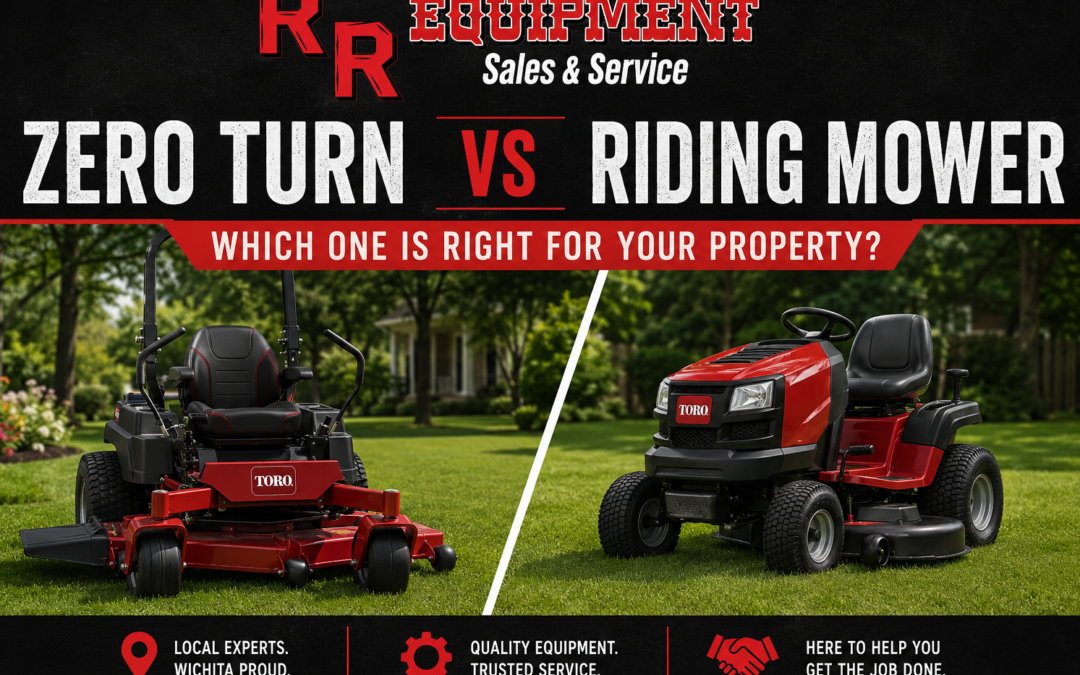
Introduction to Choosing Between Zero Turn and Riding Mowers
When it comes to maintaining a well-manicured lawn, the decision between a zero turn mower and a riding mower can be pivotal. This choice not only influences the aesthetics of your outdoor space but also affects the efficiency and enjoyment of your lawn care routine. As a lawn care enthusiast or professional, understanding the nuances between these two types of mowers is essential to making an informed decision that aligns with your specific needs and preferences.
Zero turn mowers are celebrated for their agility and precision. They are particularly adept at navigating around obstacles such as trees, flower beds, and garden ornaments, thanks to their ability to pivot sharply on their own axis. This makes them an ideal choice for properties where intricate landscaping is prevalent, or for those who desire a meticulously trimmed lawn with minimal effort. On the other hand, riding mowers offer a more traditional approach to lawn maintenance. They are generally more suitable for larger, open areas where speed and comfort are prioritized over maneuverability.
Both options offer distinct advantages and cater to different lawn care needs. Whether your priority is precision and maneuverability or speed and comfort, understanding these differences will ensure you select the right mower to keep your lawn looking its best throughout the seasons.
In the following sections, we will delve deeper into the specific features, benefits, and potential drawbacks of each type, assisting you in making the most informed decision for your lawn care strategy.
Understanding Riding Mowers and Their Benefits
In the vast realm of lawn care equipment, riding mowers stand out as a formidable ally for homeowners and landscaping professionals alike. These machines, akin to miniature tractors, offer a practical and efficient solution for maintaining expansive lawns with ease and precision. Their popularity has surged due to their ability to turn the tedious task of mowing into a more enjoyable and less time-consuming endeavor.
One of the primary benefits of riding mowers is their sheer power and capability. Unlike their push-mower counterparts, riding mowers are designed to handle larger areas swiftly, making them the ideal choice for properties spanning half an acre or more. The wide cutting deck, typically ranging from 30 to 54 inches, allows for broader coverage in fewer passes, saving both time and effort.
Comfort is another significant advantage. Riding mowers are equipped with cushioned seats and ergonomic steering, allowing users to mow their lawns without physical strain. Many models even come with advanced features such as cruise control, adjustable speed settings, and even cup holders, enhancing the overall mowing experience.
Furthermore, riding mowers offer versatility in attachments and uses. Homeowners can accessorize their machines with baggers, mulchers, and even snow plows, transforming the mower into an all-season tool. This adaptability ensures that the investment in a riding mower extends beyond mere lawn care, proving beneficial throughout the year.
For those in Wichita, KS, where the combination of large residential plots and the region’s specific lawn care needs often demand robust solutions, riding mowers from trusted brands like Toro and STIHL are a wise choice. These mowers not only promise efficiency but also deliver a quality cut that keeps your lawn looking pristine.
Exploring Zero Turn Mowers and Their Advantages
Zero turn mowers have become increasingly popular among homeowners and landscapers alike, thanks to their unique design and efficiency. At their core, these mowers are engineered to provide superior maneuverability, which is a hallmark feature that sets them apart from traditional riding mowers. With a zero-turn radius, these machines can pivot 180 degrees without leaving any patches of uncut grass, making them ideal for lawns with intricate designs, tight corners, and numerous obstacles.
One of the primary advantages of zero turn mowers is their ability to significantly reduce mowing time. Their agile nature allows them to cover large areas quickly and effectively, often cutting the time required for mowing by up to half compared to conventional mowers. This efficiency not only saves valuable time but also reduces fuel consumption, making them a cost-effective choice over the long term.
Another notable benefit is the precision with which zero turn mowers can operate. They offer greater control and a closer cut, which results in a cleaner, more professional-looking lawn. This precision is particularly advantageous for commercial landscapers who need to maintain high standards across large properties.
Comfort and ease of use are additional perks that come with zero turn mowers. Many models come equipped with ergonomic seats and intuitive controls, ensuring a comfortable experience even during extended mowing sessions. This comfort factor is critical for those who maintain extensive lawns or offer professional landscaping services, as it minimizes operator fatigue and enhances productivity.
In conclusion, zero turn mowers offer a blend of speed, efficiency, and precision that is hard to match. Whether you are a homeowner with a sprawling lawn or a professional landscaper catering to diverse properties, these mowers provide a reliable and efficient solution for your lawn care needs. Always consider the specific requirements of your lawn, such as its size and landscape complexity, when choosing the right mower to ensure optimal performance and satisfaction.
Deciding Based on Property Size and Terrain
Choosing between a zero-turn mower and a traditional riding mower can be a pivotal decision in maintaining the aesthetic and health of your lawn. The first and foremost consideration in making this choice is the size and layout of your property. The needs of a sprawling estate differ significantly from those of a modest suburban plot.
Small to Medium-Sized Yards
For homeowners with small to medium-sized lawns, a traditional riding mower often suffices. These mowers are typically more cost-effective and simpler to operate, making them ideal for those new to lawn care. They are adept at managing flat, open spaces, allowing you to efficiently cover every inch without the need for intricate maneuvers.
Large and Complex Landscapes
Conversely, if you are responsible for a larger property or one with complex landscaping — think winding garden paths, numerous flower beds, or uneven terrain — the agility of a zero-turn mower becomes invaluable. Zero-turn mowers excel in maneuverability, offering a tighter turning radius, which is crucial when navigating around obstacles. This capability enables you to mow closer to trees, borders, and edges, minimizing the need for additional trimming work.
Terrain Considerations
The terrain of your property also plays a critical role. If your lawn has steep hills or undulations, it’s essential to consider the mower’s stability. Riding mowers, with their broader tires and lower center of gravity, often provide better stability on slopes compared to some zero-turn models. However, advanced zero-turn mowers are now equipped with features that enhance their stability and traction on uneven grounds.
In conclusion, evaluating your lawn’s size and terrain is vital in choosing the right mower. Whether you lean towards the versatility of a zero-turn or the reliability of a riding mower, understanding these factors will ensure you select the equipment that best complements your lawn care needs.
Maintenance Tips for Long-Lasting Lawnmowers
Maintaining your lawnmower is essential to ensure its longevity and optimal performance. Whether you own a zero-turn mower or a traditional riding mower, a few straightforward maintenance practices can extend its life, increase efficiency, and save on costly repairs.
Regular Cleaning
After every use, it’s crucial to clean the mower deck to prevent grass buildup. Excess grass can cause blockages, leading to uneven mowing and potential damage to the blades. Use a garden hose or a deck scraper to remove debris and ensure the underside remains clean.
Engine Care
Regularly check and change the engine oil as per the manufacturer’s guidelines. Fresh oil reduces engine wear, enhances performance, and increases fuel efficiency. Similarly, replacing the air filter annually ensures the engine receives clean air, preventing dirt and debris from causing damage.
Blade Maintenance
Sharpening the mower blades at least once a season is vital for a clean cut. Dull blades tear the grass rather than cut it cleanly, which can lead to lawn diseases. Ensure the blades are balanced post-sharpening to avoid vibrating and potential damage to the mower.
Tire and Battery Check
Inspect the tire pressure regularly for even mowing and battery charge levels to prevent unexpected shutdowns. It’s also advisable to lubricate moving parts to reduce friction and wear.
By adhering to these maintenance tips, your lawn mower will not only last longer but also operate at its peak performance, providing a pristine cut every time you mow. These tips are essential whether you’re a DIY homeowner or a professional landscaper, ensuring you get the most out of your investment.