
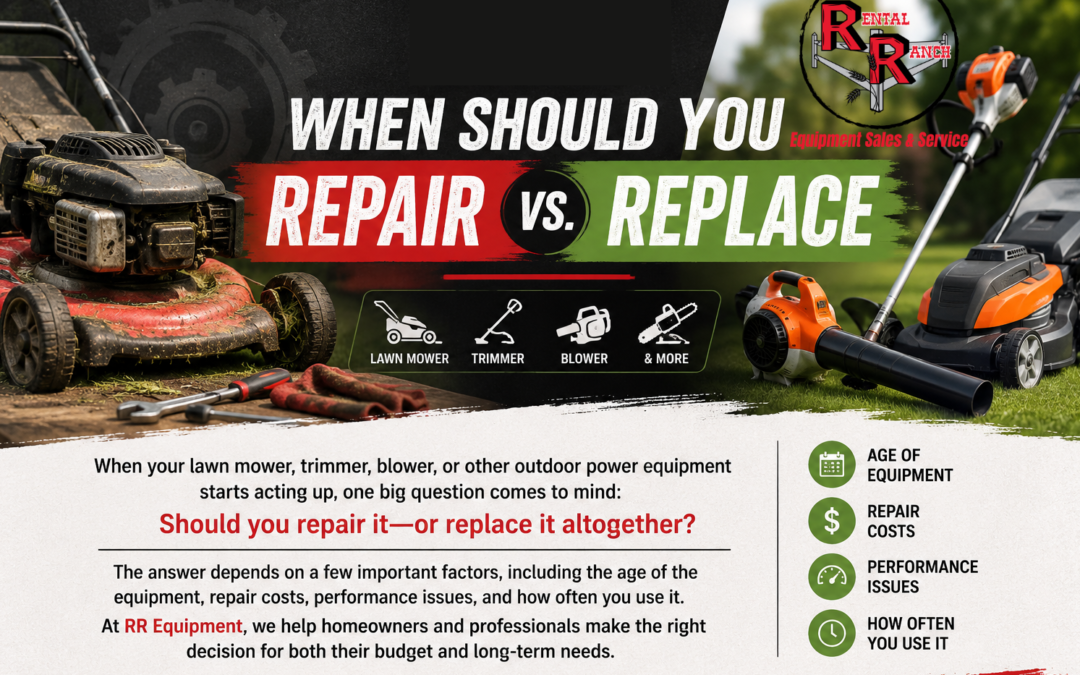
Understanding the Lifecycle of Outdoor Power Equipment
Outdoor power equipment, whether it be lawn mowers, chainsaws, or leaf blowers, plays a pivotal role in maintaining the pristine condition of your property. However, much like any mechanical device, these tools have a finite operational lifespan. Understanding the lifecycle of your outdoor power equipment can greatly assist in making informed decisions about repair versus replacement, thereby optimizing your investment and ensuring consistent performance.
The lifespan of outdoor power equipment largely depends on several factors including usage frequency, maintenance practices, and the quality of the equipment itself. Generally, a well-maintained lawn mower might last anywhere from eight to ten years, while chainsaws and trimmers may serve you effectively for about five to eight years. This longevity is contingent on adhering to regular maintenance routines such as oil changes, blade sharpening, and air filter replacements, which can significantly extend the equipment’s usability.
Equally important is recognizing the signs of wear and tear. A decrease in performance efficiency, unusual noises, or constant breakdowns may indicate that your equipment is nearing the end of its lifecycle. In such cases, evaluating the cost of repairs against the potential benefits of purchasing new equipment becomes crucial. Often, if repair costs approach or exceed 50% of the replacement cost, considering a new purchase is advisable.
Ultimately, understanding the lifecycle of your outdoor power equipment not only aids in financial planning but also ensures that you are equipped with reliable tools to keep your outdoor space in top shape. By regularly assessing the condition and performance of your equipment, you can make timely decisions that align with both your budget and maintenance needs.
Key Factors in Deciding to Repair or Replace
Determining whether to repair or replace outdoor equipment can be a challenging decision for homeowners and professionals alike. Evaluating the condition and functionality of your equipment is crucial to making an informed choice. Several key factors should be taken into consideration when deciding the best course of action for your machinery.
1. Age and Condition of Equipment
The age of your equipment is a primary factor. Generally, if your machinery is over ten years old, it may be more cost-effective to replace it rather than invest in repairs that could become frequent and costly. Examine its overall condition; if it has been well-maintained and only requires minor fixes, repairing might be the better option.
2. Cost of Repairs vs. Replacement
Cost is another critical consideration. If the repair costs exceed 50% of the current value of the equipment, replacement is usually more prudent. This guideline helps avoid sinking money into repairs that offer limited longevity, especially when newer models may offer enhanced efficiency and features.
3. Technological Improvements
Technological advancements can also influence your decision. Modern equipment often comes with improved safety features, greater efficiency, and better performance. If your current equipment lacks these innovations, upgrading might provide significant benefits in productivity and ease of use.
4. Frequency of Repairs
Consider how often repairs are needed. Frequent breakdowns can be a sign that your equipment is nearing the end of its useful life. Constant repairs not only become a financial burden but also disrupt your work schedule, making replacement a more viable option.
5. Availability of Parts
Finally, the availability of parts can impact your decision. For older models, parts may become scarce or more expensive over time, making it difficult to maintain your equipment. In such cases, replacement ensures that you have the support and parts you need to keep your equipment running smoothly.
By considering these key factors, you can make a well-informed decision that aligns with your needs and budget, ensuring you have reliable outdoor equipment for all your projects.
Common Repairable Issues and Solutions
Outdoor power equipment is an essential asset for homeowners and professionals alike, facilitating a wide range of tasks from lawn mowing to tree trimming. However, like any machinery, these tools are susceptible to wear and tear, leading to various issues that may require repair. Understanding the common problems and their solutions can save time and money, ensuring your equipment remains in top condition.
One frequent issue is the failure of the engine to start. This can often be traced back to a clogged air filter or a dirty spark plug. Over time, debris and dust can accumulate, restricting airflow and causing starting problems. The solution is simple: regularly clean or replace the air filter and spark plug. By incorporating this maintenance into your routine, you can prevent this issue from occurring.
Another common problem is uneven cutting, typically caused by dull or damaged blades. Regular blade sharpening is crucial for maintaining optimal performance. For those not comfortable with DIY blade sharpening, taking the equipment to a professional service shop, like RR Equipment Sales & Service in Wichita, ensures the job is done correctly and safely.
Fuel issues also represent a significant portion of repair needs. Old or contaminated fuel can impede performance and even damage the engine. Regularly draining and replacing fuel, especially before storing equipment for extended periods, can mitigate this problem. Additionally, using fuel stabilizers can help maintain fuel quality over time.
By addressing these common issues promptly, you can extend the life of your outdoor equipment and maintain its efficiency. When problems arise, weighing the cost of repair against replacement is crucial. However, many issues can be resolved with simple maintenance or minor repairs, allowing you to continue utilizing your equipment without significant expense.
When Replacement Becomes the Better Choice
Deciding whether to repair or replace outdoor equipment can often be a challenging decision. However, certain indicators can help determine when replacement is the more prudent choice. One primary factor to consider is the age of the equipment. If your machinery is nearing or has surpassed its expected lifespan, it may be time to invest in a new model. For instance, lawn mowers typically have a lifespan of around eight to ten years, depending on the frequency of use and maintenance practices.
Another critical aspect is the cost of repairs versus the cost of new equipment. When repair costs begin to approach or exceed 50% of the purchase price of a new model, replacement often becomes the more economical option. This is particularly true for older equipment, where replacement parts may be harder to find or more expensive, further driving up the cost of repairs.
Consider the reliability and efficiency of your current equipment. Older models might not only fail more frequently but also lack the energy efficiency and advanced features of newer models. This can result in higher operational costs and less effective performance. For instance, newer lawn mowers offer improved fuel efficiency, reduced emissions, and enhanced cutting capabilities, which can save time and reduce environmental impact.
Finally, think about technological advancements that have emerged since your original purchase. Innovations in outdoor power equipment can significantly enhance user experience through increased safety features, automation, and connectivity options, making a replacement a worthwhile investment.
Ultimately, opting for replacement over repair can lead to long-term savings, improved performance, and a more enjoyable experience in maintaining your outdoor spaces. As technology continues to evolve, keeping up with the latest advancements ensures you’re not only getting the job done but doing it more efficiently and sustainably.
Signs Indicating It’s Time to Replace Your Equipment
Outdoor equipment, from lawn mowers to chainsaws, is essential for maintaining the beauty and functionality of your outdoor spaces. However, like all machinery, these tools have a finite lifespan. Recognizing the signs that indicate it’s time to replace your equipment rather than repair it can save you time, effort, and money. Here’s what to look for:
1. Frequent Breakdowns
If your equipment is consistently breaking down, requiring repairs more often than not, it might be time to consider a replacement. Continuous repairs not only become costly over time but also lead to inefficiencies, interrupting your work and causing frustration.
2. High Repair Costs
When the cost of repairing your equipment starts to approach or exceed the price of a new model, it’s a clear indicator that replacement is the more economical choice. Investing in new equipment can also offer improved functionality, enhanced features, and energy efficiency that older models may lack.
3. Unavailability of Replacement Parts
As equipment ages, finding replacement parts can become increasingly difficult. If sourcing parts for your machine is challenging or impossible, it may be more practical to replace the equipment entirely. This ensures you have a reliable tool at hand whenever needed.
4. Outdated Technology
Technology in outdoor equipment is constantly evolving, offering better performance, safety features, and ease of use. If your equipment is significantly outdated, it may be worth exploring newer models that offer these advancements, which can enhance your productivity and safety.
5. Reduced Performance
Noticeable declines in performance, such as reduced power output or increased fuel consumption, often signal that your equipment is nearing the end of its useful life. In such cases, new equipment can offer superior performance, making your outdoor tasks easier and more efficient.
Ultimately, deciding whether to repair or replace your outdoor equipment depends on a variety of factors, including cost, convenience, and the availability of newer technology. By paying attention to these signs, you can make informed decisions that align with your needs and budget.
For those in the Wichita area, RR Equipment Sales & Service offers a wide range of outdoor power solutions, ensuring you have access to the latest and most reliable equipment available. Whether you need advice on repairs or guidance on purchasing new tools, their experienced team is ready to assist.