
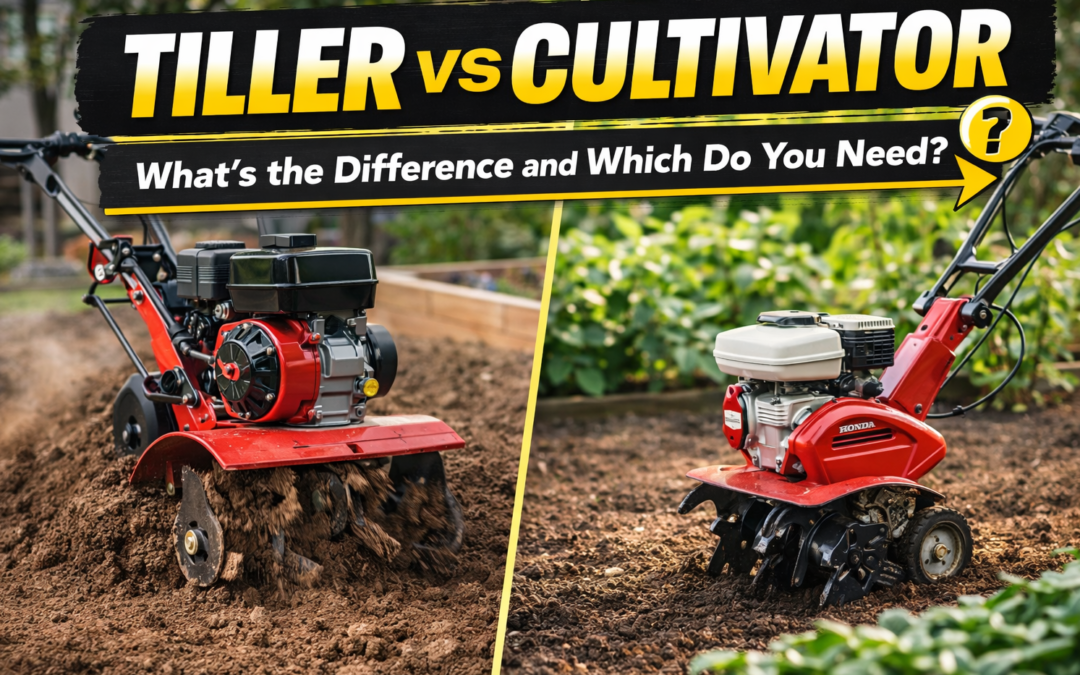
Introduction to Tillers and Cultivators
As spring emerges, breathing new life into our gardens and landscapes, homeowners and gardening enthusiasts alike turn their attention to projects that promise to revitalize the soil and prepare it for the growing season. Among the essential tools for this transformative process are tillers and cultivators, each playing a unique role in soil preparation and maintenance. Understanding the differences between these two types of equipment is crucial for anyone looking to optimize their gardening efforts.
Tillers are powerful machines designed to break up compacted soil, making them indispensable for starting new garden beds or rejuvenating large areas. They come in various sizes, from smaller front-tine tillers suitable for home gardens to robust rear-tine tillers used for larger plots and professional landscaping projects. With their deep soil penetration capability, tillers are perfect for turning over the soil, incorporating organic matter, and preparing the ground for planting.
On the other hand, cultivators are lighter and more maneuverable, ideal for maintaining an already established garden. These tools are perfect for weeding between rows of plants, mixing soil amendments, and aerating the topsoil to enhance nutrient absorption. Cultivators allow gardeners to maintain soil health without the extensive disruption that tillers might cause, offering a more refined touch for ongoing garden care.
By choosing the right tool for your specific gardening needs, whether it’s a tiller for groundbreaking tasks or a cultivator for ongoing maintenance, you can ensure that your spring projects are both productive and rewarding. The decision boils down to the specific demands of your garden space and the goals you have set for this growing season.
Understanding the Role of Tillers in Yard Care
When embarking on your spring yard projects, understanding the role of tillers can make a significant difference in the health and aesthetic of your garden. Tillers are powerful tools designed to break up hard and compacted soil, making them indispensable for preparing garden beds and planting areas. This process, known as tilling, not only helps in aerating the soil but also facilitates the incorporation of organic matter, such as compost or fertilizer, thereby enriching the soil with essential nutrients.
There are various types of tillers available, each suited for specific tasks. Front-tine tillers are generally lighter and more maneuverable, making them ideal for smaller gardens and less intensive tasks. In contrast, rear-tine tillers are more robust and better suited for larger areas or more demanding soil conditions, thanks to their powerful engines and greater depth of tilling.
The Benefits of Using Tillers
- Enhanced Soil Structure: By breaking up soil clumps, tillers ensure that roots can penetrate deeper, fostering a stronger plant growth.
- Improved Drainage: Well-tilled soil aids in better water absorption, preventing runoff and promoting effective hydration of plants.
- Weed Control: Regular tilling can help in managing weeds by uprooting them before they establish.
In summary, incorporating a tiller into your yard care routine can lead to a more productive and manageable garden. As you plan your spring projects, consider the type of tiller that best suits your needs, ensuring a flourishing garden in the coming seasons.
Exploring the Functions of a Cultivator
When embarking on any spring gardening project, understanding the nuances and capabilities of your equipment is paramount. A cultivator, often perceived as a lighter version of a tiller, serves a unique purpose in maintaining and preparing garden soil. Unlike tillers, which are designed to break up and churn large, dense areas of earth, cultivators excel in refining what’s already been tilled. These versatile tools are indispensable for those looking to aerate the soil, mix in fertilizer, or remove weeds in smaller, established garden beds.
Primary Functions of a Cultivator
- Soil Aeration: Cultivators are adept at loosening compacted soil, allowing air, water, and nutrients to penetrate more deeply. This process is essential for fostering healthy root growth and ensuring that plants thrive.
- Weed Control: By disrupting the soil surface, cultivators help to uproot weeds, preventing them from competing with your plants for essential nutrients and sunlight.
- Fertilizer Mixing: A cultivator can efficiently incorporate fertilizers into the soil, ensuring that nutrients are evenly distributed and readily available to plant roots.
While cultivators are not suitable for breaking new ground, they are invaluable for garden maintenance. Their lightweight design and ease of maneuverability make them ideal for gardeners who maintain moderately sized plots or need to work around existing plants.
In conclusion, if your gardening tasks involve light soil work, maintaining healthy beds, and ensuring optimal growth conditions for your plants, a cultivator is an indispensable tool. Its ability to enhance soil quality and manage weeds effortlessly makes it a staple in any gardener’s arsenal.
Key Differences Between Tillers and Cultivators
When embarking on spring projects, understanding the distinction between tillers and cultivators is crucial, as each tool serves a unique purpose in your garden or landscaping endeavors. At first glance, both may seem to perform similar functions, but the nuances in their operation and application are significant.
Tillers are robust machines designed for breaking new ground. They are ideal for heavy-duty tasks such as preparing virgin soil, or areas that haven’t been cultivated for a long time. Equipped with larger, more powerful engines, tillers are capable of working the soil to a greater depth, making them an excellent choice for starting new gardens or expanding existing ones. Their tines are typically wider and more aggressive, allowing them to churn through compacted soil with ease.
In contrast, cultivators are more suited for lighter tasks, such as aerating the soil, mixing in compost, or weeding between garden rows. They are smaller, lighter, and more maneuverable than tillers, making them the perfect tool for maintaining already established beds. Cultivators help to keep the soil loose and promote healthy plant growth by improving aeration and water infiltration.
Choosing the right tool depends on the specific needs of your project. If you’re breaking ground on a new garden, a tiller is your go-to equipment. However, for ongoing maintenance and soil improvement in established gardens, a cultivator is likely sufficient. Understanding these differences will empower you to make informed decisions, ensuring that your spring projects are both efficient and successful.
When to Use a Tiller for Your Yard Project
Choosing the right equipment for your spring yard project can significantly impact the success of your gardening endeavors. One such essential tool is the tiller, a powerful machine designed to break up and mix soil, making it ready for planting. Understanding when to use a tiller is crucial, as it can save you time and effort while improving the health of your garden soil.
Breaking New Ground
If you’re planning to establish a new garden bed or lawn, a tiller is your best ally. These machines are particularly effective at breaking new ground, which can often be dense and compacted. A tiller digs deep into the earth, turning over the soil and bringing nutrients to the surface. This process not only aerates the soil but also prepares it for seeding or planting by creating a loose, friable texture that promotes root growth.
Amending Soil Composition
Tillers are also invaluable when you need to amend the soil composition in your garden. Whether you’re looking to add organic matter like compost or peat moss, a tiller can easily mix these amendments into the existing soil. This integration is vital for enhancing soil fertility, drainage, and structure, ensuring that your plants have the ideal environment to thrive.
Expanding Existing Gardens
For gardeners seeking to expand an existing garden, tillers offer a practical solution. They can efficiently blend new soil with the old, making the transition seamless. This is particularly important in larger gardens where manual labor would be time-consuming and exhausting.
In conclusion, a tiller is a versatile tool that can make a significant difference in the preparation and maintenance of your yard. By knowing when and how to use it, you can ensure your garden projects are both efficient and effective, leading to a flourishing outdoor space.