
Understanding the Challenges of Wichita Soil
In Wichita, Kansas, the soil presents a unique set of challenges for lawn care enthusiasts. A significant characteristic of the region’s soil is its heavy clay composition. While clay soil can be rich in nutrients, it poses several difficulties that can hinder the health and growth of your lawn. Understanding these challenges is crucial for effective lawn maintenance.
Firstly, clay soil is notorious for its poor drainage capabilities. The dense structure of clay particles means that water takes longer to percolate through the soil, leading to waterlogging during heavy rains. This can suffocate grass roots, depriving them of essential oxygen—a critical component for healthy plant growth. During dry spells, the soil can become compact and hard, making it difficult for water to penetrate when it does rain.
Secondly, the compact nature of clay also hinders root expansion. Grass roots struggle to penetrate the tightly packed soil, limiting their ability to access nutrients and water effectively. This restriction can result in a weak, sparse lawn that is more susceptible to drought and stress.
Moreover, clay soil is prone to compaction from foot traffic or heavy equipment, further exacerbating the challenges. Compacted soil reduces the pore spaces necessary for air and water movement, leading to a hostile environment for your lawn.
Addressing these issues requires targeted lawn care strategies, with aeration being one of the most effective solutions. Aeration helps to alleviate soil compaction, enhance drainage, and promote healthy root growth, ultimately leading to a lush, resilient lawn even in the stubborn Kansas clay.
Signs Your Lawn Needs Immediate Attention
Amidst the picturesque landscape of Kansas, a lush, green lawn is more than just an aesthetic pleasure; it is a reflection of diligent care and nurturing. However, there are telltale signs that your lawn may be crying out for immediate attention, particularly when it comes to aeration. Understanding these signs can save you time and effort in maintaining the verdant beauty of your garden.
Thinning Grass and Bare Patches
If you notice that your once-thick carpet of grass has been reduced to thinning patches or bare spots, this is a clear signal that your lawn is struggling. Compacted soil can suffocate roots, preventing them from accessing the nutrients and air they need to thrive. Aeration alleviates soil compaction by perforating the ground, allowing essential elements to reach the grass roots.
Water Runoff Rather than Absorption
Another significant indicator is water pooling on the surface rather than being absorbed. This often stems from compacted soil, which creates a barrier that prevents water from penetrating deep into the root zone. Aeration breaks this barrier, enhancing water absorption and reducing runoff.
Excessive Thatch Build-Up
A thick layer of thatch, which is a combination of dead roots and grass clippings, can also spell trouble for your lawn. While a small amount of thatch can protect the grass from temperature extremes, too much can prevent nutrients and moisture from reaching the soil. Aeration helps decompose this layer by improving soil contact and microbial activity.
By recognizing these signs early and taking timely action, you can ensure your lawn remains healthy and vibrant. Aeration, especially in the clay-heavy soils of Kansas, is a vital practice that can rejuvenate your lawn, transforming it into the lush expanse you desire.
The Benefits of Lawn Aeration for Kansas Clay
Kansas, renowned for its expansive prairies and agricultural richness, is also home to the challenging clay soils that many homeowners contend with in their lawns. Clay soil, while nutrient-rich, tends to compact easily. This compaction restricts water, air, and nutrient movement, stifling root growth and limiting the overall health of your grass. Here lies the paramount importance of lawn aeration.
Enhanced Nutrient Uptake
Aeration involves puncturing the soil with small holes, allowing essential elements such as air, water, and nutrients to permeate deeply into the soil. This process is particularly beneficial for clay soils, which can become dense and impenetrable. By loosening the soil, aeration enhances nutrient uptake, ensuring your grass roots access the necessary sustenance to thrive.
Improved Water Infiltration
In regions like Kansas, where rainfall can be sporadic, effective water management is vital. Aeration improves water infiltration, reducing runoff and ensuring that each drop of water nourishes the roots rather than getting wasted. This process not only conserves water but also supports deeper root growth, making your lawn more resilient during dry spells.
Reduction of Thatch Buildup
Thatch, a layer of dead grass and roots, can accumulate quickly on clay soils. Lawn aeration helps to break down this thatch layer, facilitating organic matter decomposition and promoting a healthier, more vibrant lawn. This reduction in thatch also minimizes pest infestations and diseases, providing a robust defense for your lawn.
In conclusion, regular lawn aeration is an indispensable practice for Kansans dealing with clay soil. By fostering an environment where air, water, and nutrients can freely move, aeration not only revitalizes your lawn but also bolsters its resilience against the varied Kansas climate. Embrace aeration as a routine part of your lawn care to transform your clay soil challenge into a verdant, flourishing oasis.
How Aeration Improves Soil Health and Grass Growth
In the realm of lawn care, aeration emerges as a pivotal practice, particularly in regions like Kansas where clay-heavy soils are prevalent. This technique involves puncturing the soil with small holes, a simple yet transformative action that yields profound benefits for both soil health and grass growth.
Firstly, aeration alleviates soil compaction, a common issue in clay soils. When soil is compacted, it becomes dense, restricting the movement of air, water, and nutrients to the grassroots. Through aeration, small cores of soil are removed, allowing essential elements to penetrate deeper into the ground. This process enhances the soil’s structure and encourages the development of a robust root system.
Moreover, aeration facilitates better nutrient absorption. Grass thrives when it receives a balanced diet of nutrients, and aeration ensures that fertilizers and organic matter can reach the roots more effectively. This access to nutrients not only fosters healthier grass but also promotes a more vibrant and lush lawn.
Additionally, aeration plays a crucial role in improving water uptake. In heavy clay soils, water can often pool on the surface, leading to runoff and wasted resources. By introducing channels for water to infiltrate, aeration helps the lawn absorb moisture efficiently, reducing waste and supporting drought resilience.
Overall, regular aeration is a cornerstone of effective lawn maintenance, particularly in clay-rich areas like Kansas. It not only enhances the immediate health of your grass but also fortifies it against future challenges, ensuring a verdant and enduring landscape.
Why Professional Aerators Surpass Manual Tools
When it comes to maintaining a lush, vibrant lawn, aeration is a crucial step that many homeowners overlook. While the concept of aerating your lawn may seem straightforward, the tools you choose can significantly impact the effectiveness of the process. Enter professional aerators—a game changer for anyone serious about lawn care.
While manual tools such as hand corers or spiked shoes might seem like a cost-effective solution, they often fall short in delivering the results your lawn deserves. Manual tools can be time-consuming and labor-intensive, requiring significant physical effort to achieve uniform results. The depth and spacing of the holes created by these tools are often inconsistent, which can lead to uneven aeration and, subsequently, patchy grass growth.
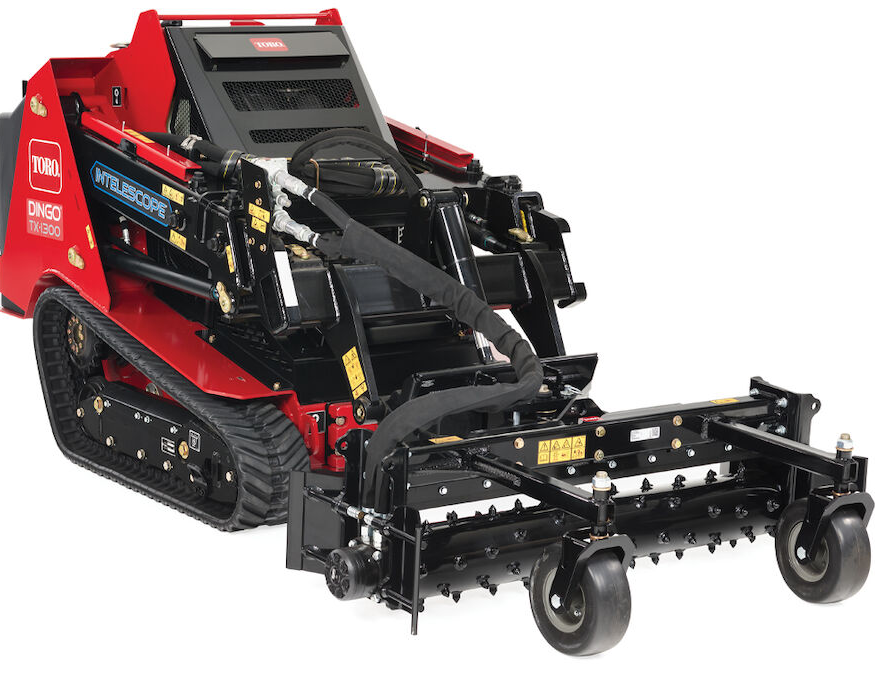
In contrast, professional aerators are designed to maximize efficiency and effectiveness. These machines come equipped with powerful engines that drive steel tines deep into the soil, creating uniform holes across your lawn. This uniformity ensures that air, water, and nutrients penetrate the soil effectively, promoting robust root growth and healthier grass. Moreover, professional aerators are capable of covering large areas quickly, making them ideal for both residential and commercial properties.
Additionally, professional aerators offer the versatility to adjust tine depth and spacing according to your lawn’s specific needs, which is particularly beneficial for tackling Kansas’s notorious clay soil. This adaptability ensures that your lawn receives the customized care it requires for optimal health and growth. With professional aerators, you not only save time and energy but also achieve superior results that manual tools simply can’t match.
Whether you’re a homeowner striving for a picture-perfect lawn or a landscaping company seeking efficient and reliable equipment, investing in professional aerators is a decision that will yield long-term benefits. Embrace the power and precision of professional tools and watch your lawn transform into a verdant oasis.