
Understanding the Impact of Flooding on Outdoor Areas
Flooding can be a devastating force of nature, leaving in its wake a trail of destruction that affects both the environment and human activity. For outdoor spaces, particularly residential yards and gardens, floods can transform once-vibrant landscapes into muddied, debris-strewn areas. The impact of flooding on outdoor areas is profound and multifaceted, affecting soil, vegetation, and infrastructure.
Firstly, when floodwaters inundate an area, they can cause soil erosion and compaction, which impairs its ability to support plant life. The nutrient-rich topsoil may be swept away, leaving behind a barren surface. Moreover, soil compaction from the pressure of standing water reduces air pockets necessary for root growth, stunting plant development.
Vegetation, too, suffers greatly during and after floods. The roots of plants can rot if submerged for prolonged periods, leading to widespread plant death. Additionally, floods often carry pollutants such as chemicals and waste, which can contaminate the soil and plants, making recovery even more challenging.
Beyond the immediate physical damage, flooding can also disrupt the ecological balance of an area. Native species may struggle to survive or face increased competition from invasive species that thrive in disturbed conditions. This ecological shift can have lasting repercussions on biodiversity and the health of the ecosystem.
Furthermore, infrastructure within outdoor areas is not spared. Paths, patios, and garden structures may be damaged or destroyed by the force of the water. The cleanup and repair of these areas require significant effort and resources.
In conclusion, understanding the impact of flooding on outdoor areas is crucial for effective recovery and restoration efforts. By recognizing the various ways floods damage the environment, homeowners and communities can better prepare for future events and implement strategies to mitigate damage, ensuring the resilience and sustainability of their outdoor spaces.
Importance of Outdoor Power Equipment in Flood Recovery
In the aftermath of a flood, the path to recovery can appear daunting, with landscapes transformed into waterlogged terrains littered with debris. The role of outdoor power equipment during this critical time cannot be overstated. These tools are essential in restoring normalcy and safety to affected areas, offering efficient solutions to the myriad of challenges posed by flood damage.
Firstly, clearing debris is a monumental task that requires reliable equipment. Chainsaws and pole pruners become indispensable for cutting through fallen trees and tangled branches. These tools not only expedite the cleanup process but also ensure safety by removing hazards that could obstruct roads or damage properties further. Similarly, leaf blowers and vacuums help in efficiently clearing leaves and smaller debris, making paths and driveways accessible once more.
Moreover, the aftermath of a flood often leaves mud and dirt coated on surfaces, which can contribute to long-term damage if not addressed promptly. Power washers come into play here, providing the necessary force to clean siding, brick, and concrete efficiently. Their use restores both the aesthetic and structural integrity of buildings and paved surfaces.
Furthermore, the revitalization of green spaces, such as lawns and gardens, is facilitated by equipment like trimmers and mowers. These tools are crucial in maintaining the health of vegetation, preventing rot and disease that can be exacerbated by lingering floodwaters. Stump grinders prove useful in removing the remnants of trees uprooted by the flood, clearing space for new growth and preventing pest infestations.
Ultimately, outdoor power equipment serves as a linchpin in flood recovery efforts, transforming daunting tasks into manageable ones. By harnessing their power, communities can restore their environments to their pre-flood conditions more swiftly and safely, fostering a sense of normalcy and resilience in the face of natural disasters.
In conclusion, investing in quality outdoor power equipment is not just about convenience; it is a strategic decision that equips individuals and communities with the tools necessary for effective flood recovery. These machines stand as silent allies, enabling the restoration and rejuvenation of landscapes, ensuring that life can return to normal as swiftly as possible.
Essential Equipment for Clearing Debris and Flood Water
In the aftermath of a flood, the landscape often resembles a chaotic tableau of debris and stagnant water. Successful post-flood recovery hinges on the availability of the right equipment to restore order and safety. For both homeowners and professional contractors, having access to efficient outdoor power equipment is vital for tackling the daunting task of debris clearance and water removal.
1. Chainsaws and Pole Pruners: One of the first steps in post-flood recovery is clearing fallen trees and branches, which often block pathways and create hazards. Chainsaws and pole pruners, such as those available from STIHL, are indispensable for efficiently cutting through thick limbs and removing debris from hard-to-reach areas. Their powerful performance ensures that even the most challenging tasks are completed swiftly and safely.
2. Water Pumps: Floodwaters can linger long after the skies have cleared, posing a threat to property and health. Submersible pumps and gasoline-powered water pumps are crucial for effective water removal. These pumps can quickly drain flooded areas, preventing water damage to structures and accelerating the drying process of the affected land.
3. Pressure Washers: Once the bulk of debris and water has been cleared, pressure washers become essential for cleaning surfaces coated in mud and grime. Whether it’s the exterior of buildings or walkways, high-powered pressure washers can restore cleanliness and hygiene, making environments safe and usable once again.
4. Stump Grinders and Brush Chippers: After removing larger debris, stump grinders and brush chippers help in the breakdown and disposal of smaller pieces, turning chaos into manageable mulch, which can be repurposed for landscaping or erosion control.
Equipping yourself with these essential outdoor power tools not only expedites the post-flood recovery process but also ensures a safer and more organized approach to handling the aftermath. By investing in high-quality equipment and knowing how to use it effectively, you can transform a scene of devastation into one of hope and renewal.
Tools for Restoring Lawn and Garden Health
In the aftermath of a flood, your lawn and garden can bear the brunt of nature’s wrath. The waterlogged conditions not only disrupt the soil structure but also suffocate plant roots, making recovery a daunting task. However, with the right tools, you can restore the health and vitality of your outdoor space efficiently and effectively.
Essential Tools for Lawn Recovery
- Aerators: Waterlogged soil can become compact, restricting the flow of air, water, and nutrients to the roots. Aerators are essential for perforating the soil, allowing it to breathe and aiding in the recovery process.
- Power Rakes: Floods often leave behind a layer of debris and thatch. Power rakes are adept at removing this layer without damaging the underlying grass, promoting healthier growth.
- Lawn Mowers: Once your lawn begins to recover, regular mowing can help maintain its health. A reliable mower ensures even cuts, which is crucial for new growth and preventing disease.
Garden Recovery Essentials
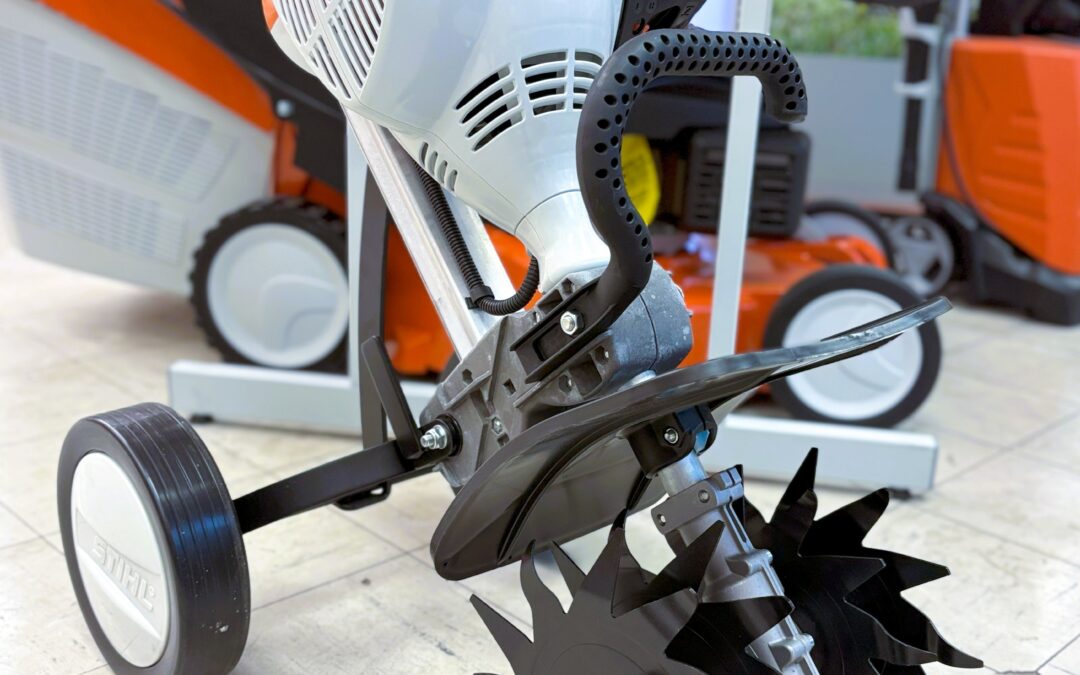
- Garden Cultivators: These tools are crucial for breaking up compacted soil and integrating organic matter, enriching the soil with nutrients and enhancing its structure.
- Submersible Pumps: If areas of your garden remain waterlogged, submersible pumps can efficiently remove excess water, preventing root rot and further damage.
- Pruning Tools: Floods can damage plant structures, and pruning tools are necessary to trim away dead or damaged branches, allowing for new growth.
By utilizing these tools, you can transform a post-flood landscape into a thriving garden oasis. Remember that patience is key; recovery can be a gradual process. Consistent care, coupled with the correct equipment, will ensure your lawn and garden emerge healthier and more resilient than ever.
Maintenance Tips for Outdoor Equipment After Flooding
In the aftermath of a flood, outdoor power equipment often bears the brunt of the damage, necessitating meticulous care and attention to ensure their longevity and functionality. Proper maintenance can revive equipment and prevent further deterioration, saving time and money in the long run.
1. Initial Assessment and Cleaning
Begin by conducting a thorough inspection of all equipment. Look for visible signs of damage such as rust, corroded wires, and compromised seals. It’s crucial to clear dirt, debris, and mud from the equipment using a gentle stream of water or a damp cloth. Avoid using high-pressure washers as they can force water into sensitive areas, exacerbating damage.
2. Drying and Lubrication
Drying is essential; moisture trapped in components can corrode and impair functionality. Disassemble parts where possible to facilitate comprehensive drying. Follow up with lubrication of all moving parts such as blades, gears, and hinges to prevent rust and ensure smooth operation. Use a high-quality lubricant designed for outdoor equipment to maximize protection.
3. Electrical Components and Fuel System Check
Inspect electrical components meticulously. Flooding can lead to short circuits and electrical failures. Replace any compromised wiring or connectors. Additionally, the fuel system should be examined for water contamination. Drain and replace the fuel, and clean or replace filters to prevent engine damage.
Post-flood recovery is a challenging task, but with the right maintenance practices, your outdoor power equipment can be restored to its optimal performance. By prioritizing thorough cleaning, drying, lubrication, and electrical checks, you ensure the equipment remains reliable and efficient, ready to assist in the recovery efforts and beyond.
In conclusion, while floods can be devastating, taking immediate and proper care of your outdoor power equipment will not only extend its lifespan but also ensure that you have the necessary tools to aid in the recovery and rebuilding process. Remember, consistent maintenance is key to resilience in the face of natural disasters.