
Introduction to Skid Steers and Their Uses
Skid steers are versatile and compact construction machines that have become indispensable in a variety of projects, ranging from residential landscaping to major construction sites. These agile machines are designed with a unique steering system that allows them to pivot in place, providing exceptional maneuverability even in confined spaces. This feature, coupled with their ability to accommodate a wide range of attachments, makes skid steers a favored choice for many professionals and DIY enthusiasts alike.
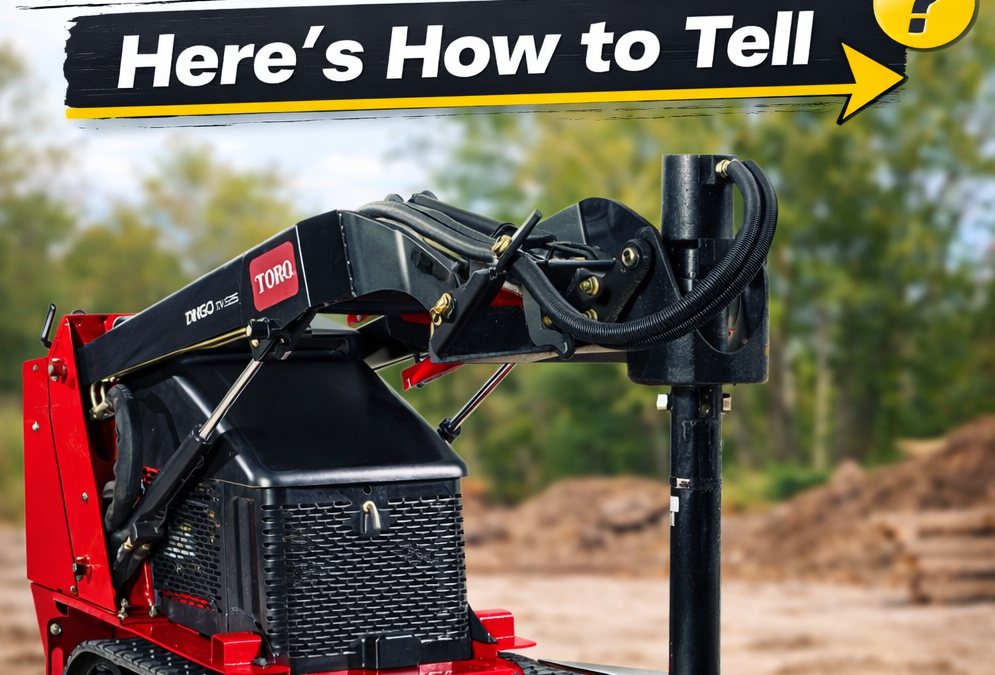
The origins of the skid steer can be traced back to the late 1950s when the first models were developed to aid farmers in managing their daily tasks. Over time, their utility expanded as construction and landscaping industries realized their potential. Today, skid steers are employed in a myriad of tasks. They can be equipped with buckets for digging and moving earth, forks for lifting pallets, augers for drilling holes, and even specialized attachments for tasks like snow plowing and stump grinding. This adaptability allows users to switch between tasks with ease, maximizing productivity on site.
Applications Across Different Sectors
- Landscaping: Skid steers can transform a rugged, overgrown yard into a pristine landscape. With attachments like tillers and mowers, they can efficiently prepare soil or maintain grassy areas.
- Construction: On construction sites, skid steers are invaluable for excavation, grading, and material transport. Their compact size allows them to operate where larger machinery cannot.
- Agriculture: In agricultural settings, they assist in tasks such as feeding livestock, cleaning barns, and handling bales of hay, proving their worth beyond just construction and landscaping.
Whether you are a homeowner embarking on a backyard renovation or a contractor managing multiple projects, understanding the capabilities and uses of skid steers is crucial. Their multifunctionality and efficiency make them a strategic asset in any project.
Key Considerations Before Renting a Skid Steer
Renting a skid steer can be a game-changer for your construction or landscaping project, but making the right choice requires careful consideration. These versatile machines, known for their compact size and ability to handle a wide range of tasks, are indispensable on many job sites. However, before you commit to renting one, there are several key factors to weigh in order to ensure it aligns perfectly with your project needs.
Assessing Project Requirements
Begin by evaluating the specific requirements of your project. Consider the type of tasks the skid steer will perform, such as digging, grading, or lifting materials. Understanding the scope and nature of your work will help you determine the size and capabilities of the skid steer needed. For example, a smaller model may suffice for minor landscaping tasks, while a larger, more powerful model might be necessary for heavy-duty construction work.
Site Conditions and Accessibility
The conditions of your worksite play a pivotal role in your decision. Analyze the terrain and space constraints. Skid steers are known for their maneuverability in tight spaces, but it’s crucial to ensure that the machine you choose can navigate the specific challenges of your site. Consider the weight distribution and ground pressure, especially if you are operating on soft or uneven ground.
Attachment Compatibility
One of the primary advantages of skid steers is their compatibility with a variety of attachments, which can significantly enhance their utility. Identify which attachments are essential for your project, such as buckets, augers, or trenchers. Ensure that the rental company provides the necessary attachments and that they are compatible with the skid steer model you plan to rent.
Rental Costs and Budget
Budget considerations are always paramount. While renting a skid steer can be cost-effective compared to purchasing, it’s important to understand the rental terms and associated costs. Investigate the rental company’s pricing structure, including daily, weekly, and monthly rates, and determine what best aligns with your project timeline and budget constraints. Additionally, inquire about any additional fees, such as delivery charges or maintenance costs.
By thoroughly examining these considerations, you can make an informed decision and ensure that renting a skid steer contributes effectively to the success of your project. Remember, the right equipment can greatly enhance productivity and efficiency, making it a worthwhile investment.
Signs You Need a Skid Steer for Your Project
In the realm of construction and landscaping, the decision to incorporate a skid steer into your project can be pivotal. These versatile machines, known for their compact size and powerful capabilities, can significantly enhance efficiency and productivity. Here are some unmistakable signs that a skid steer might be the perfect addition to your project.
1. Diverse Tasks and Tight Spaces
If your project involves a variety of tasks such as excavation, grading, lifting, and loading, a skid steer is ideal. Its ability to switch between attachments like buckets, augers, and trenchers means it can perform multiple roles, reducing the need for additional equipment. Moreover, if your workspace is constrained, the skid steer’s compact design allows it to maneuver easily in tight spots, making it indispensable for urban or residential projects.
2. Efficiency and Time-Savings
Time is often a critical factor in project execution. A skid steer can drastically cut down the time required to complete tasks due to its speed and efficiency. Whether you are removing debris, digging trenches, or leveling ground, the skid steer’s powerful engines and quick maneuverability can accelerate these processes, ensuring deadlines are met without compromising on quality.
3. Heavy Lifting Requirements
Projects that involve heavy materials or significant earthmoving will benefit from a skid steer. These machines are engineered to handle substantial weight loads, making them indispensable for transporting heavy materials across the site. This capability not only boosts productivity but also enhances safety by reducing the physical strain on workers.
In conclusion, a skid steer offers unparalleled versatility, efficiency, and power for a wide array of projects. By assessing the specific needs and constraints of your project, you can determine if this piece of machinery will be the game-changer you need to achieve your objectives with ease and precision.
When a Skid Steer Might Not Be Necessary
In the world of construction and landscaping, skid steers are often hailed as versatile powerhouses, capable of tackling a myriad of tasks with efficiency and precision. However, there are scenarios where investing in or renting a skid steer might not be the most prudent choice. Evaluating the necessity of a skid steer involves considering the scope and specifics of your project, as well as weighing alternative equipment options.
Project Size and Scope
Skid steers are designed for heavy-duty tasks and can be overkill for smaller projects. If your project involves minor landscaping work, such as garden bed preparation or small-scale excavation, a skid steer might be an unnecessary investment. For these tasks, lighter and more cost-effective tools like wheelbarrows, shovels, or mini-excavators might suffice. Additionally, projects confined to tight spaces where maneuverability is limited might benefit more from compact equipment that can easily navigate without causing damage to the surrounding environment.
Budget Constraints
Cost is a significant factor to consider when deciding whether a skid steer is necessary. Renting or purchasing a skid steer can be expensive, and if the project does not require the full capabilities of such a machine, the investment may not yield a positive return. For budget-conscious projects, evaluating the specific tasks at hand and considering smaller, less costly equipment can help save on both rental fees and operational costs.
Specific Task Requirements
Another consideration is the specific tasks required by your project. Skid steers are incredibly versatile, but they might not be the best tool for highly specialized tasks. For instance, if your project is primarily about finishing work, such as detailed grading or precision landscaping, you might find that specialized tools or smaller, more nimble machines offer better control and results.
In conclusion, while skid steers are undeniably powerful and versatile machines, they are not always the most practical choice for every project. By carefully evaluating the size, budget, and specific needs of your project, you can determine whether a skid steer is the right fit or if alternative solutions offer a more efficient and cost-effective approach.